
Why Food Lies at the Heart of Both the Climate Crisis and the Solution
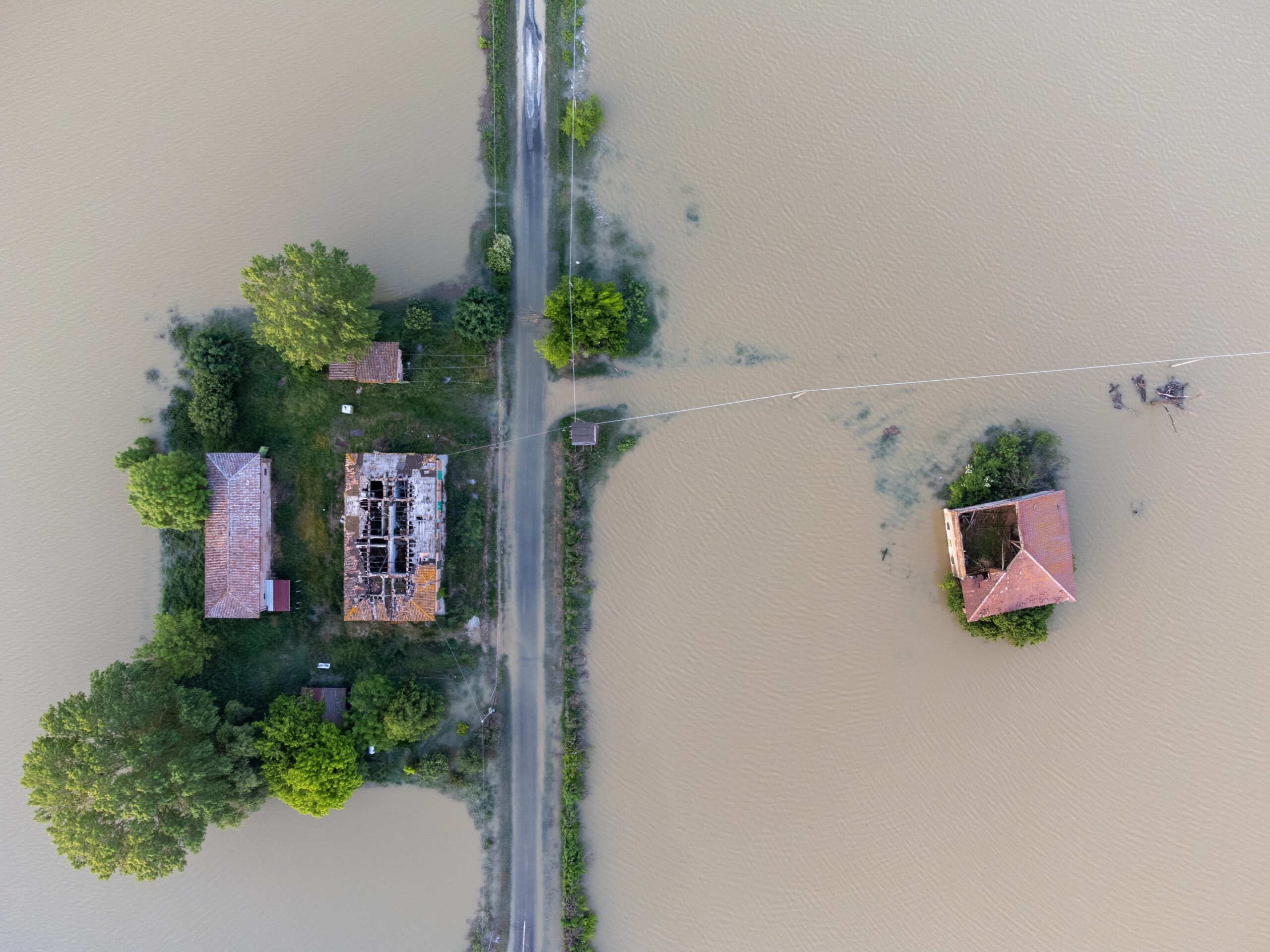
Food is both a driver of climate change and one of its greatest casualties. The way we grow, transport, and consume food contributes nearly one third of global greenhouse gas emissions, yet these same systems are being disrupted by floods, droughts, and heatwaves. As we look toward COP30 in Brazil, where Agriculture and Food Systems will take centre stage, it is clearer than ever that transforming food systems is not just part of the climate conversation but central to it.
Understanding the Challenge
A food supply chain is the journey food takes from farm to fork, from the seeds planted in the ground to the meals we share. These chains are complex, time sensitive, and globally interconnected. When one link breaks, the ripple can be felt worldwide. A drought can reduce grain exports, a flood can delay transport, and rising temperatures can increase food safety risks.
This dual reality means we must rethink the system as a whole. Agriculture, processing, and transport produce a large share of emissions but also offer opportunities for mitigation through soil regeneration, waste reduction, and sustainable logistics. Food systems are both the problem and the pathway to a more sustainable future.
What the Research Shows
In our study, we used the Intergovernmental Panel on Climate Change (IPCC) framework to examine three dimensions: hazards, impacts, and adaptation, and how they interact across global food supply chains. We reviewed 51 studies to understand how climate variability affects food systems and the strategies used to respond.
The main hazards include temperature increases, heat stress, droughts, floods, precipitation changes, sea level rise, and ocean acidification. These are not isolated threats; they often occur together, amplifying disruption. For example, prolonged drought can reduce water for irrigation, followed by flash floods that damage weakened soils and infrastructure.
Impacts are felt across every stage of the food supply chain. Changing rainfall patterns and heat stress reduce crop yields and livestock productivity. Flooding and sea level rise damage storage and processing facilities, while storms disrupt transport and retail operations. These cascading effects also influence food access, affordability, and safety, showing that climate impacts are not confined to farms but ripple through the entire system.
Adaptation strategies range from diversification, collaboration, and disaster management to eco-friendly farming, improved cold chain infrastructure, digital tools, and financial safety nets such as insurance. Yet many remain short term and fragmented, focused on a single hazard or season. Our findings highlight the urgent need for multi hazard resilience, joined up adaptation planning, and continuous learning across the supply chain.
Lessons for Policy and Action
The evidence points to the need for integrated, cross sector approaches that align mitigation and adaptation goals, including:
• Reforming agricultural incentives to promote low emission, water efficient, and diversified farming.
• Coordinating food and climate policies across borders to avoid fragmented responses.
• Investing in data and monitoring systems for multi hazard planning and long term learning.
• Ensuring inclusive governance so farmers, local communities, and small businesses have a voice in shaping resilience strategies.
• Embedding social justice to ensure adaptation and mitigation protect access, affordability, and nutrition.
No country can achieve this transformation alone. Global cooperation, knowledge sharing, and local innovation must work together. From digital tools that connect producers and consumers to community led approaches that regenerate ecosystems, collaboration is key to transforming how food is produced, distributed, and valued.
Looking Ahead to COP30
As the world prepares for COP30 in Belém, the focus on Agriculture and Food Systems offers a chance to connect global ambition with local action. Building climate resilient food systems means protecting ecosystems, reducing emissions, and supporting farmers and communities to innovate locally.
Food systems connect people, nature, and economies, yet they remain overlooked in global commitments. We cannot meet the 1.5 °C goal or ensure food security without transforming how we produce, distribute, and consume food. I urge leaders to strengthen the role of food systems in Nationally Determined Contributions, invest in adaptation and resilience, and recognise the knowledge and leadership of farmers, Indigenous peoples, and local communities. Real change will come from empowering those already creating sustainable, equitable, and climate resilient futures on the ground.