
Leeds Researchers back global call to action: addressing the critical gap in climate change risk assessment
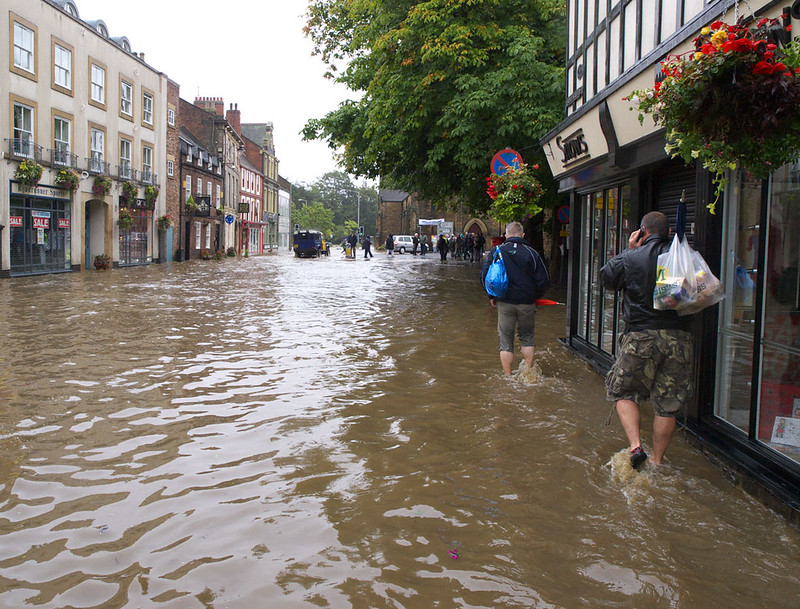
Leading climate scientists are urging world governments to commission the first authoritative global climate‑risk assessment, warning that the world is dangerously unprepared for the accelerating and interacting threats posed by climate change. Their call follows a new commentary led by Met Office experts and published in Nature, highlighting a “critical gap” in how global climate risks are understood, communicated, and planned for.
According to the Met Office, climate change is already driving widespread impacts including rising temperatures, more extreme weather, sea‑level rise and shifts in climate patterns across every world region. The authors warn that, without rapid and coordinated global action, these risks will intensify, undermining food and water security, infrastructure, economic development and potentially global stability. While scientific assessments such as those from the IPCC provide vital evidence, they are not comprehensive risk assessments, and therefore cannot adequately inform long‑term planning or emergency preparedness.
Professor Rowan Sutton, one of two senior commentary authors and Director of the Met Office Hadley Centre, said: “Despite clear scientific evidence and repeated warnings, the world remains unprepared for the scale and complexity of these challenges.
“Humanity still has the opportunity to avoid the worst impacts of climate change and shape a more prosperous, liveable future. A global assessment of avoidable climate change risks would enable political leaders and citizens to fully understand what is at stake and motivate us all to seize that opportunity - while we still have it.”
Co‑author Professor John Marsham, Professor of Atmospheric Science at the University of Leeds and Priestley member, said the evidence of real‑world harm is already unmistakable:
We know climate change is already directly damaging our food production, water supplies, health, infrastructure, as well as nature itself, and this will increase rapidly in coming years. A global risk assessment must bring diverse experts together to address risks from how these impacts interact, combine and amplify – for example by increasing migration or affecting pricing and trade, and so threaten our food security, economies, national security and geopolitical stability.
He added that a key challenge is not only the science, but political awareness: “As a climate scientist it is terrifying to realise that many of our leaders still do not realise the scale and urgency of the threats to our well‑being from climate change, and how many risks can be avoided, or hugely reduced, by rapid action. We need a global risk assessment, effectively communicated to governments, the media and the public, to make clear what is at stake.”
Fellow Priestley member and University of Leeds climate expert Professor Andy Challinor, a co‑signatory to the commentary, said the scientific community must now confront the limits of its own knowledge:
It may be tempting to think that enough has been done on the science of climate change and its implications. What's new here is the recognition of our own blind spots, and what it would take to address them. This is a significant challenge requiring a new approach that focuses less on updating assessments of likely impacts and more on the full range of what could happen, and the actions we could take to reduce those risks.
Clear picture of the outcomes
A thorough global risk assessment would provide an authoritative overview of the most significant climate risks, their potential impacts, and the likelihood of disastrous outcomes. Crucially, a risk assessment does not provide a counsel of despair. Instead, it provides a clear picture of the outcomes that societies can still choose to avoid. A global climate change risk assessment would support the development of timely measures for climate change mitigation and highlight the extent of human agency.
Professor Peter Stott, the paper’s other leading author, is a climate scientist at the Met Office and the University of Exeter. He said: “The world stands at a crossroads in global efforts to reduce emissions. Bridging the current gap in global risk assessment is an urgent priority. An internationally mandated transparent assessment of avoidable climate change risks is essential to make clear the scale of the risks and the opportunity we have to avoid the worst case scenarios and safeguard our shared future. The time for this is now.”
Professor Jason Lowe, Deputy Director of Met Office Hadley Centre, Priestley Chair and Professor in Interdisciplinary Climate Research at the University of Leeds, was also a co-signatory.