
Hope and hard lessons: COP30 and the changing role of the UNFCCC
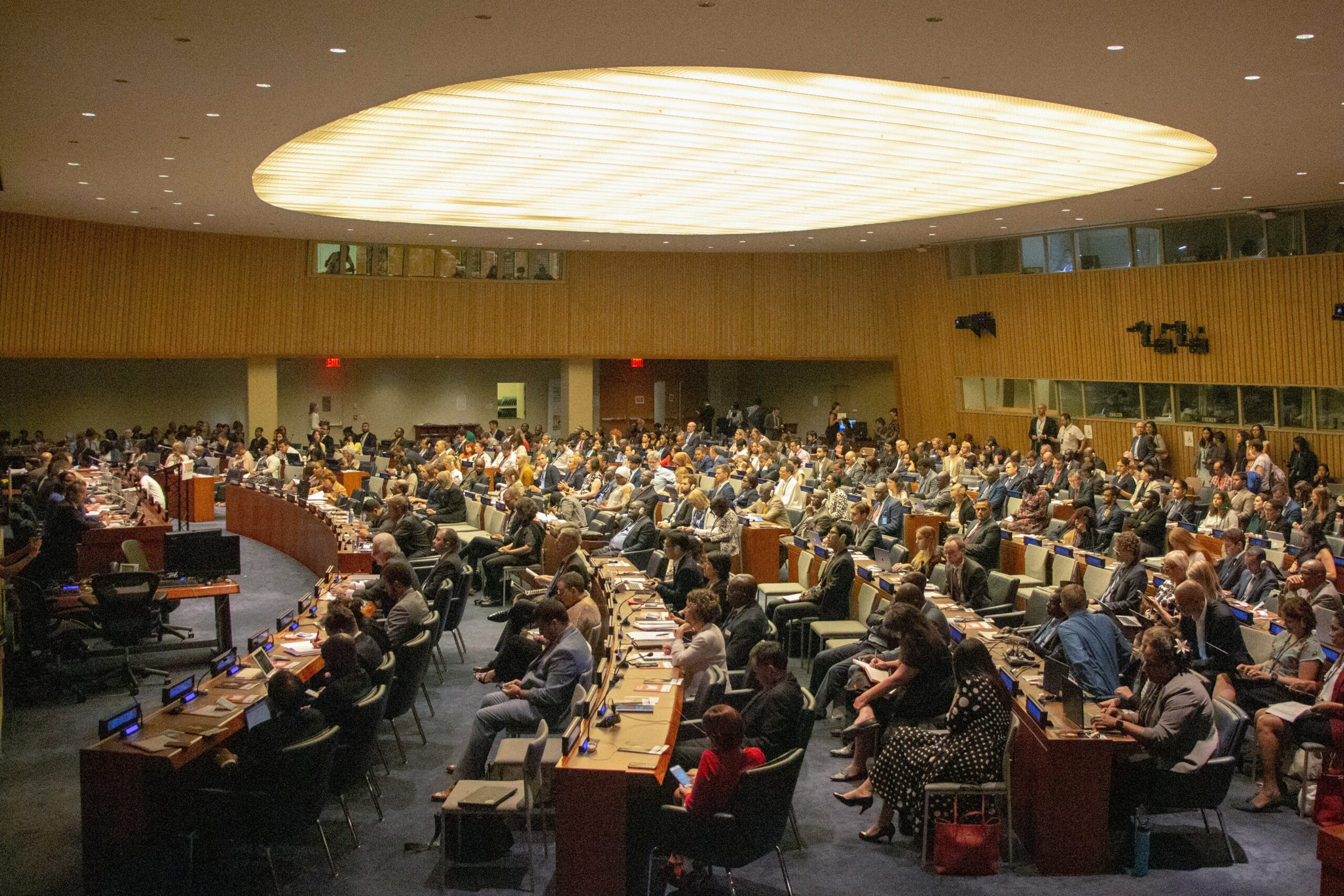
High hopes and heavy hearts
COP30 was met with an air of optimism in climate policy, coming on the heels of several COPs hosted in oil-producing states; just last year, the COP29 President in Azerbaijan went as far as to hail oil and gas a ‘gift of God’.
Brazil has a very different political heritage. As President Lula noted, Brazil hosted the historic Rio Earth Summit which produced the UNFCCC process in 1992. The COP30 Presidency hoped to build upon this history of co-operation, embodied in the Portuguese term mutirão – a collective effort.
Hosted in the Amazonian city of Belém in the tenth anniversary year of the Paris Agreement, COP30 began with a positive and determined agenda. There were high hopes across the pillars of climate policy - including movement on the ‘transition away from fossil fuels’ which was set in train at COP28. Arriving at COP30, President Lula called on world leaders to ‘start imagining a life without fossil fuels’.
Yet as the first week moved into the second, this spirit of cooperation and ambition gave way to confusion, political immovability, and shaky compromises. Emboldened by the climate denialism of the United States – which did not send an official delegation – a group of states quashed these hopes to address fossil fuels at COP30. By the second version of the Mutirão text, any reference to fossil fuels – let alone their ‘phase-out’ – was dropped. Despite the initial support of over 80 out of 193 states for a ‘roadmap for fossil fuel phase-out', this language did not return to the COP decision text, known as the Global Mutirão.
The much-anticipated decisions on adaptation similarly fell short of expectations. A reduced set of indicators to track the Global Goal on Adaptation was agreed, but subjected to last-minute adjustments and compromises which will likely undermine their implementation. COP30 also agreed to triple adaptation finance by 2035 – a meaningful step which nonetheless falls five years short of the proposed timeline by Least Developed Countries.
More hopefully, COP30 established a ‘just transition mechanism’ after months of advocacy from civil society – intended as an institutional home to protect equity in climate transition pathways, and embed workers’ rights in climate policy. This uses the strongest human rights-based language of any COP decision to date.
Cracks in consensus-based climate policy
Ten years on from the Paris Agreement, climate policy is coming under unprecedented strain from the rise of populism, authoritarianism and geopolitical fractures. With the growing likelihood of overshooting the Paris Agreement’s 1.5 degree target, pressure to reform the COP process has also grown in recent years. Indeed, COP30 for the first time featured a negotiation item on its own reform.
Just last year, high-profile UN officials like Christiana Figueres penned an open letter saying that the current structure of COPs 'cannot deliver change at the exponential speed and scale' required. They called for a reformed selection process for COP Presidencies, after several COPs held in petro-states which restrict civil liberties. Many civil society groups also increasingly call for improved conflict of interest regulations to restrict fossil fuel officials’ attendance at COPs.
Most importantly, the consensus-based decision-making process of COPs has come under fire – seen as ill-equipped to address the climate crisis amidst geopolitical fracture. This was on tragic display at COP30, as the support of 80 states for fossil fuel phase-out was insufficient in the face of immovability from a bloc of opposing states.
Yet the consensus-based decision-making of COPs is hard to escape. In the early 1990s, the UNFCCC defaulted to a consensus-based voting system precisely because Parties could not agree on an alternative. Even beyond the UNFCCC, international law operates through a consent-based system – states are only beholden to international laws to which they agree to be held. The incremental, consensus-based political approach of COPs is a product of this international legal system.
Charting the way forward
Yet the future of climate action is not only defined by the political machinations of the UNFCCC. From COP30 emerged a new conference – the ‘First International Conference for the Phase-out of Fossil Fuels’ to be held in Colombia in April 2026. Backed by 24 states, delegates to this conference will independently begin developing a roadmap for phasing out fossil fuels.
Alongside COP30, the year 2025 has also seen the International Court of Justice’s historic Advisory Opinion (AO) on the Obligations of States in Respect of Climate Change. This AO was celebrated by climate justice advocates, as it found that states are legally obliged to protect the climate system, and may have to pay reparations to climate-impacted communities if they fail to do so. Illustrating the power of climate activism, this AO began with a campaign by 27 law students at the University of the South Pacific. Whilst the AO was not referenced in the Global Mutirão, it reflects a moving dial on climate politics from the world’s highest court – with potential for domestic legislation, international litigation, advocacy, and indeed future UNFCCC law.
This is not to dismiss the immense importance and potential of the UNFCCC. Next November, the corridors of Antalya will bear the weight of the world’s future at COP31, just as Belém’s have these past few weeks. But the work for climate action and climate justice does not end within the politicking of the UNFCCC. It is important to hold onto this in moments of hopefulness and disappointment which emerge in the wake of COPs. Our work on climate and social change – in activism, conversations, research, advocacy, donations, and anything more – is more meaningful than ever.
Written by Catriona Flesher