
Highlighting the power of universities to tackle climate mis- and disinformation
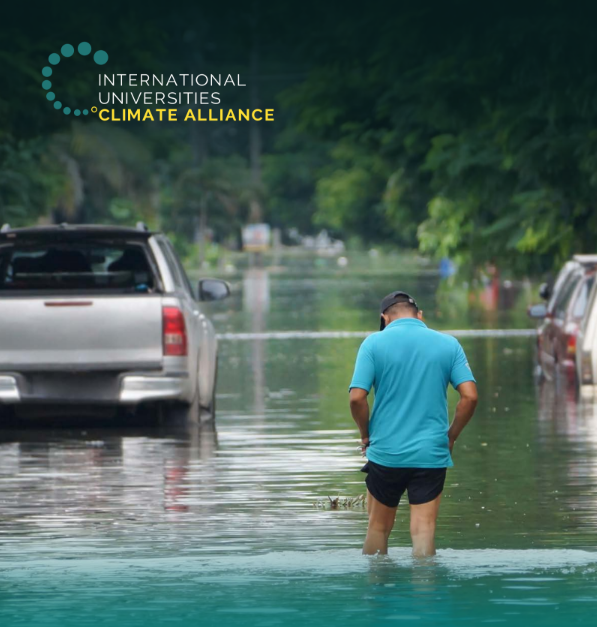
Two University of Leeds climate experts have contributed to a new report that explores how universities and researchers can play a leading role in tackling the growing challenges of climate mis- and disinformation.
At a time when trust in science, scientific institutions and reliable information is increasingly under pressure, the need to protect information integrity and ensure that evidence-based knowledge reaches the public has never been more important.
Professor Viktoria Spaiser and postgraduate researcher Jyoti Narsude joined an international team of expert authors, coordinated by the International Universities Climate Alliance (IUCA).
The report, launched ahead of COP31, considers how universities and research institutions can help counter false and misleading information, strengthen public trust in science and support informed conversations around climate change. Through five initial case studies, it highlights the challenges we face and showcases potential solutions from across the university and research community.
Crucially, the report demonstrates the value of collaboration. When universities work together, sharing knowledge, expertise and experience, their collective influence and ability to drive meaningful change is far greater than when they act alone.
By coming together through the IUCA, universities can help develop coordinated responses to shared challenges and amplify the reach and impact of credible climate research.
This report is not an end point, but the beginning of an important programme of collaborative work. It provides a foundation for IUCA and its members to take forward a shared ambition: to strengthen information integrity, challenge climate mis- and disinformation, and ensure that universities continue to play a vital role in informing and serving the public good.
Read the full report